Reading What a Building Needs
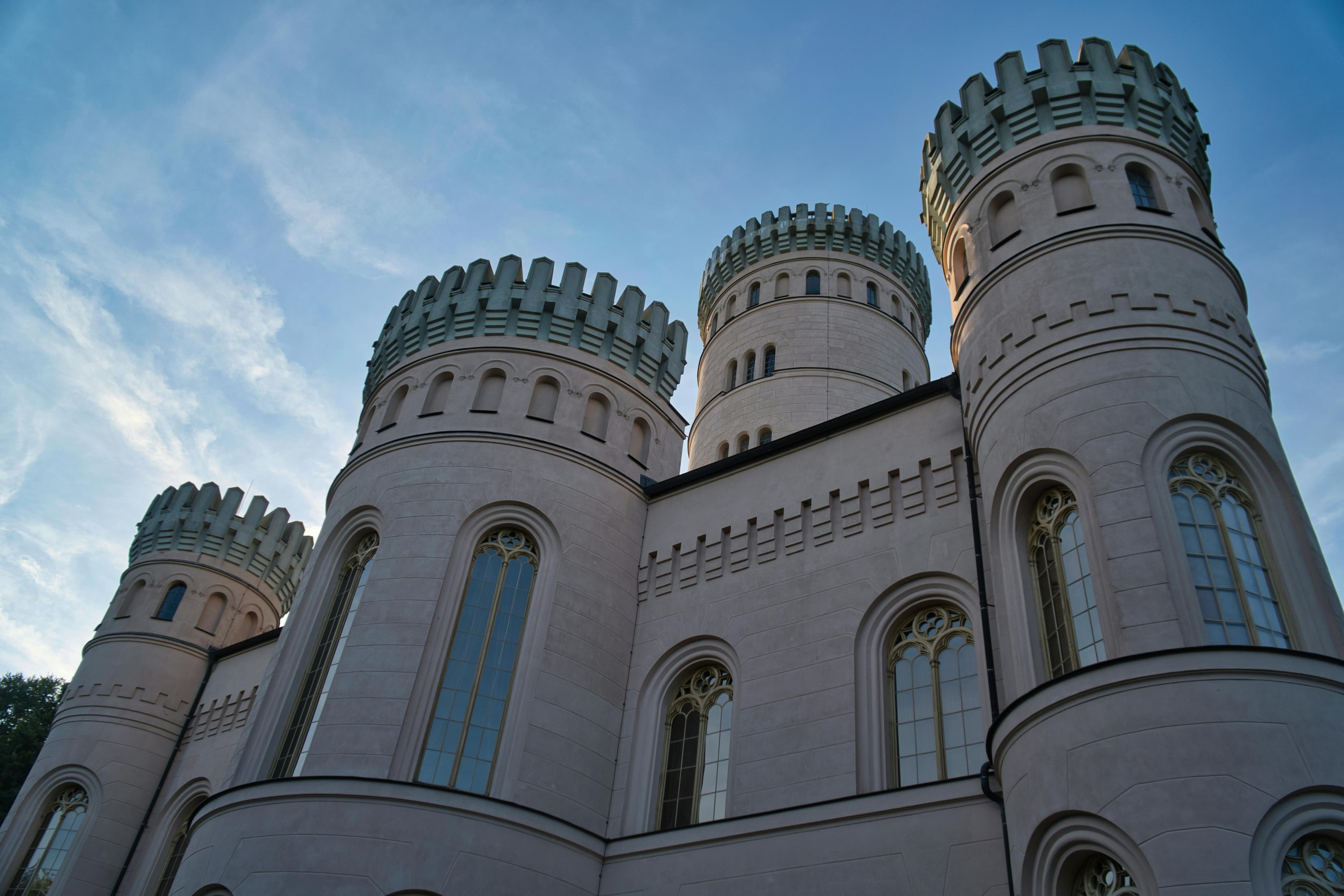
A medieval tower in Umbria. A baroque villa on the shores of Lake Como. An ancient noble palazzo in the heart of Palermo. These are not properties — they are inheritances to be looked after.
Working with the owners of historic Italian buildings means creating interiors that honour the soul of a place while making it livable for contemporary life. The balance is delicate: too much modernity and the atmosphere is lost; too much tradition and the space becomes a museum. The art lies in knowing how to read what a building needs — and then finding, within Italy’s extraordinary heritage of craftsmanship, exactly the people capable of bringing it to life.
From Florentine antiquarians to Roman fresco masters, from the cabinetmaking ateliers of Brianza to the stone carvers of Pietrasanta: it is within this network that the real work lives. And it is a network built over years of personal relationships, not a catalogue to leaf through.
Historic properties present challenges that conventional interior design is not equipped to handle. Structural constraints that force every intervention to be rethought. Humidity that decides which materials can be used and which cannot. Heritage authorities to be consulted on every visible detail. Ancient floors, stuccoes, frescoes that ask to be integrated, not replaced. And then there is the search for the right pieces — a period chest of drawers found through a Florentine antiquarian, a reproduction commissioned from a cabinetmaker who still works the way they worked in the nineteenth century. It is a kind of work that demands discretion, and the awareness that every choice will leave a trace for decades to come.
A historic home does not ask to be furnished. It asks to be listened to, and then accompanied — with the patience of those who know that, in places like these, time is not an enemy but a material.